Safety first: Essential personal protective equipment for industrial settings
The industrial workplace, characterised by intricate processes and high-tech environments, demands precision and safety at every turn
Safety first: Essential personal protective equipment for industrial settings
The industrial workplace, characterised by intricate processes and high-tech environments, demands precision and safety at every turn
Workers in this sector are often exposed to hazards, including electrostatic discharge (ESD) risks and chemical exposure, which can damage sensitive equipment and pose significant health risks.
Despite advancements in safety protocols, incidents related to inadequate personal protective equipment (PPE) continue to occur. These incidents are often due to a lack of understanding of the specific PPE needs in the manufacturing workplace, resulting in equipment failure, injuries, and costly downtime.
How can the manufacturing industry better address these specific PPE requirements to mitigate risks, protect workers, and ensure smooth operations?
This article explores the critical role of PPE in the workplace. It provides a detailed overview of the essential equipment, best practices, and strategies for integrating PPE into safety protocols. Organisations can significantly enhance workplace safety, protect valuable equipment, and maintain high operational standards by understanding and implementing the correct PPE.
In any manufacturing environment, employees face a variety of hazards that can lead to severe injuries or illnesses, making PPE essential as a final line of defence. These challenges range from operating dangerous machinery to handling hazardous chemicals and enduring high noise levels, all of which pose significant risks to health and safety. To effectively protect against these dangers, workers must use appropriate PPE. The following are some of the most critical hazards that necessitate the use of PPE:
Industrial safety focuses on minimizing various hazards that can lead to individual injuries or health risks. With millions of accidents annually, industries worldwide prioritise safety measures to protect workers and assets. Critical considerations in industrial safety include:
When selecting PPE for different industrial settings, consider the following key factors:
PPE is essential for safeguarding employees from health and safety hazards in the workplace. It is also a legal requirement for companies to provide suitable PPE tailored to the specific dangers of the work environment. In the electronics industry, various types of PPE are widely used throughout the design, manufacturing, quality control, and packaging stages to ensure worker safety. The following are some key categories :
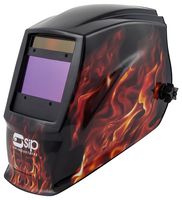
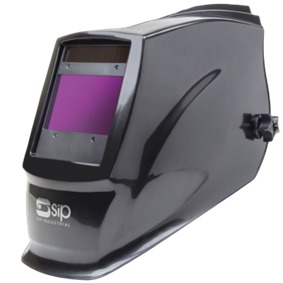
Head protection: This is critical in any safety program because head injuries can lead to lifelong impairment or even fatalities. The simple and most effective way to shield employees from impact, penetration, electrical shock, and burn hazards is to wear safety helmets or hard hats.

Figure 1: METEOR 2185 ELECTRONIC HEADSHIELD (Source)
Eye and face protection- Safety goggles and face shields protect the eyes and face from chemical splashes, dust, and flying debris, with additional protection from laser radiation when needed.
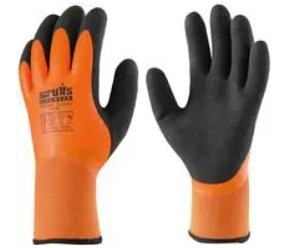
Figure 2: Face Shield with Chin Guard - Clear Visor (Source)
Hand and arm protection: When hazards to hands and arms cannot be fully eliminated through engineering or safe work practices, employers must ensure that workers wear appropriate protective gear. PPE, like gloves, guards, and sleeves, is essential for protection against a wide range of risks, including chemical exposure, burns, cuts, electrical risks, and even amputations. Specialized gloves and sleeves provide targeted protection, such as ESD-safe gloves for handling sensitive components.

Figure 3: SCRUFFS T51009 Thermal Gloves (Source)
Hearing protection: The louder the noise, the less time you can safely be exposed without protection. For instance, workers can handle 90 dB noise levels for up to 8 hours a day without protection. However, at 115 dB, hearing protection is a must after just 15 minutes of exposure. Hearing Protection Options:

Figure 4: Ear Defender, Earmuff, 3 dB Deviation, 27 dB Attenuation (Source)
Foot and leg protection: Safety shoes or boots safeguard against electrical hazards, sharp objects, and chemical spills and offer slip resistance. Employees facing potential foot or leg injuries from falling, rolling, crushing, or penetrating materials should wear protective footwear. Protective gear covering exposed body parts, including legs and feet, is essential when working with hot, corrosive, or poisonous substances. Non-conductive footwear is required for electrical hazards, while conductive footwear may be necessary for static electricity exposure. Here is some of the examples-
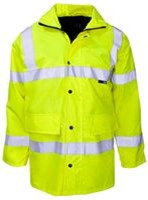
Figure 5: TITANIUM SAFETY BOOT, WHEAT, 10 (Source)
Body protection: Employees facing potential bodily injury must wear appropriate protective clothing while performing their jobs.
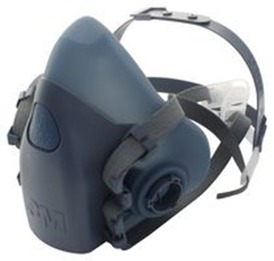
Figure 6: ST 35426 HI-VIS JACKET (Source)
Respiratory protection is essential for workers exposed to harmful substances and pollutants. Respirators filter out dangerous contaminants from the air, protecting users from inhaling toxicants. These devices can filter noxious substances (like N95 masks) or supply clean air from another source. While face masks are considered PPE, they are not classified as respirators.
Figure 7: 3M 7502 respirator (Source)

Figure 8: Essential protective gear for workplace hazard prevention (Source)
In the ever-evolving world of manufacturing, safety should always come first. Personal protective equipment is essential for protecting workers from the numerous hazards they face daily. Companies should establish and maintain efficient PPE programs to protect employees, ensure regulatory compliance, boost productivity, and strengthen their market reputation. With increasing awareness and the enforcement of regulations, protecting individuals from occupational hazards has become mandatory in industries that rely on PPE kits as a safety measure against possible and unavoidable hazards.
One of the greatest revolutions in all of human history! AI is an all-encompassing concept that incorporates human intelligence into machines
The #1 Destination for Embedded Evaluation Boards, Development Kits, and Tools
Explore our well-curated library of whitepapers, technical articles, videos, training modules, tutorials, and more to support you in developing your designs, business, and career